what is social jet lag & how to combat it
the sleep summary
Social jet lag is what happens when there’s been a mismatch of your body’s natural sleep cycle and your busy work or social schedule, causing late nights, lie-ins and then reverting back to early mornings for work or school. It can leave you feeling tired, impact your cognitive functioning and make it hard to fall asleep before you go back to routine.
We’ve all heard of the common term “jet lag”, but have we heard of the spin-off “social jet lag”? With social plans comes late nights, lie-ins and disruption to your routine, which can throw off your sleeping pattern altogether. But it doesn’t have to stay this way. Let’s discuss what social jet lag is, why it impacts us so much, and how we and our children can combat it.
what is social jetlag?
As you’ll likely know, jet lag is where your internal body clock doesn’t fit with the external world time. This is often felt when we travel across multiple different time zones too quickly. This leaves you feeling very tired, and you can often find it difficult to fall asleep and wake up at the correct times. Read more about jetlag and sleep.
Social jet lag is very similar in that it leaves you feeling lethargic and unable to settle at night, but instead, this can happen on a weekly basis. It’s the consequence of mismatching your body’s natural sleep cycle and your busy work or social schedule, which results in late nights, lie-ins at the weekend, and then returning to the early and busy working hours during the week.
Often, we stick to our routines:
Monday – Wednesday: Going to bed at a reasonable time and getting up at a reasonable time to start work.
Thursday: As it’s nearly the weekend, you may find you stay up a little later, which cuts your overall sleep shorter, leaving you feeling tired, unable to concentrate, and struggling to retain or learn new information the following day (Friday).
Friday: It’s the start of the weekend so we stay up late, get up later and all routine is out of the window. This tends to be the same on Saturday and going into Sunday.
Sunday night: As Sunday comes round, we’re then expected to go to bed earlier and go straight to sleep. However, our bodies don’t understand it’s time to go to sleep and therefore, won’t settle down, leaving you feeling as though your internal body clock is not in time with the external world, just like normal jet lag but caused by social situations.
how to combat social jet lag
Our sleep expert, Kathryn Pinkham, is here to give you some top tips in combatting social jet lag as we continue to enjoy the World Cup games this year. It’s important to note that this advice can be taken on board all year round, so you can get good sleep, regularly.
"Staying up for a dramatic World Cup match is all part of the fun, and there's no reason football fans shouldn't enjoy it.
"But those late nights can temporarily knock your body clock out of sync. The excitement of the game, bright screens and going to bed much later than usual can all make it harder to fall asleep and leave you feeling more tired the next day.
"The good news is that, just like mild jet lag, social jet lag usually settles within a day or two if you return to your normal sleep routine." For fans determined not to miss a minute of the action, Kathryn shares five simple ways to keep your sleep on track:
Don't try to 'bank' sleep: Going to bed much earlier before a match won't help you store up sleep. If your body isn't ready, you're more likely to lie awake than drift off naturally.
Give yourself time to unwind: A tense match raises adrenaline, making it harder to fall asleep immediately after the final whistle. Aim for 20–30 minutes to relax before heading to bed.
Expect to feel a little tired: One late night won't damage your health. Accepting you'll be slightly more tired can actually reduce anxiety around sleep.
Stick to your usual wake-up time: Sleeping in after a late kick-off can keep your body clock out of sync for longer. Getting up as normal helps you recover more quickly.
Don't overcompensate the next night: Going to bed much earlier after poor sleep often backfires. Instead, return to your normal bedtime and let your body catch up naturally.
how does social jet lag impact children and their learning?
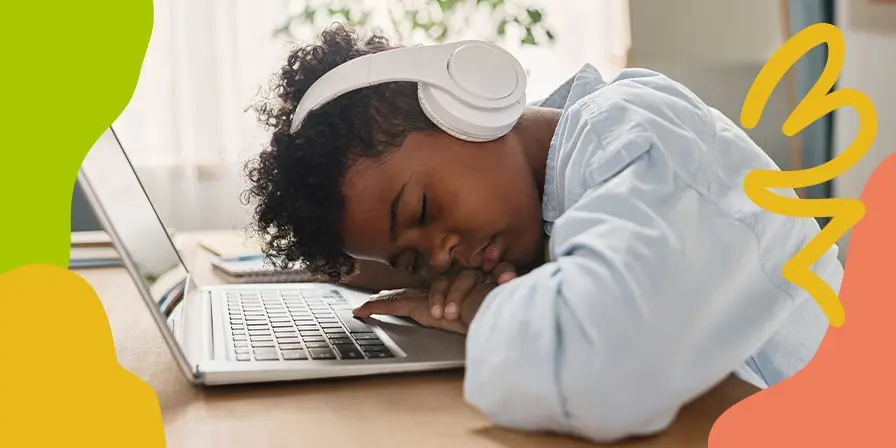
Lack of sleep on the Sunday night also leads to very sleepy children on a Monday morning. Students may struggle to concentrate and retain information. Subjects that involve a lot of concentration or learning new material should be avoided on a Monday morning as tired children will not retain this information.
Taking on board Kathryn’s advice on avoiding trying to bank sleep, being disciplined with your usual wake up times, even at the weekend, and not overcompensating can help both adults and children to stay in sync with the world, avoiding social jet lag and making Monday mornings less of a struggle.