winter sleepiness: what is it and how to combat it

the sleep summary:
Winter fatigue is a natural response to shorter days, reduced daylight and changes in our hormones and habits.
Poor sleep quality will leave you feeling tired in winter even if you’re getting enough hours of sleep, so you don’t necessarily need more sleep in winter, but better quality and more consistent sleep.
Exposing yourself to morning light, sticking to a consistent routine, staying active and eating well can help combat winter sleepiness.
A cool, comfortable bedroom with breathable bedding layers and the right mattress can support better-quality sleep.
Temperatures have started to drop and the mornings are darker, making getting out bed feel like a daily battle. If you’re snoozing your alarm one too many times, craving extra caffeine by the early afternoon or feeling ready for sleep earlier than usual, you’re not alone and a lot of people in fact suffer from winter fatigue. It’s easy to pass it off as laziness, but it’s actually a natural reaction to changing light levels, shifting hormones and colder weather lifestyle habits.
But guess what? You don’t have to spend these next few months in a winter fog as we have some practical tips for you to reclaim your energy and beat the fatigue.
why do we feel so sleepy in winter?
Our bodies interact with daylight and natural cycles which has different effects through different seasons. So, if you keep asking yourself, “why am I feeling sleepy all the time?”, here are a few things that happen to our bodies during the winter months:
our melatonin production increases – our circadian rhythm relies on sunlight to know when to be awake and when to sleep, so when light hits your eyes, it signals to your brain to stop producing melatonin, which is the hormone that’s responsible for making you feel sleepy. Because we have shorter days during the winter, our bodies produce much more melatonin leading to persistent grogginess and us feeling ready for bed earlier than usual.
our serotonin drops – lower exposure to natural daylight reduces serotonin production which is a key neurotransmitter that regulates our mood, focus and energy. Lower serotonin levels can contribute to low mood and lack of motivation.
our vitamin D levels drop – our bodies get vitamin D from sunlight exposure, so with less sunlight in the winter, and therefore less vitamin D. This can be linked to fatigue, muscle weakness and poor sleep quality.
we naturally adapt to colder lifestyle habits – we tend to eat heavier, carb-dense comfort foods that can cause blood sugar spikes and crashes, we spent more time inside in overheated and unventilated spaces, and we tend to move less which reduces the natural physical fatigue that promotes deep and restorative sleep.
how winter affects sleep quality
You might feel like you need more sleep, but actually it’s better quality sleep that you need. Winter often degrades the quality of your sleep leaving you feeling tired whether you had 6, 8 or 10 hours sleep.
There are a few things that impact the quality of our sleep in winter including overheating in bed due to having the heating on or using heavier blankets, having nasal congestion and sore throats due to dry indoor air from radiators, and oversleeping because you feel like you need more sleep, which actually leaves you feeling more lethargic.

how to combat winter sleepiness
Even though there are a lot of natural causes that leads to us feeling fatigued during winter, there are a few practical things you can try to restore your energy including getting as much morning light exposure as you can, sticking to a sleep schedule, regulating bedroom temperature, staying active, eating healthy, and creating the perfect winter bed set up.
Here’s a breakdown of what helps with sleepiness:
morning light exposure
Make sure you’re exposing yourself to morning light as soon as you wake up. Open your blinds or curtains to let light in or try going for a brief walk. Morning light stops melatonin production and sets a timer for healthy nighttime tiredness.
stick to a sleep schedule
Go to bed and wake up at the same time every day (even on weekends!). It’s the best thing you can do for your body clock as consistency will train your brain to expect to sleep at a specific time, improving how quick you fall asleep and how easy you wake up.
keep your bedroom cool
Aim for a bedroom temperature of around 16-18°C and use breathable bedding layers to manage your warmth rather than having your central heating on all night.
stay active, hydrated and maintain a healthy diet
Dehydration plays a big part in fatigue that can quite easily be overlooked in winter as we’re not warm and thirsty as much. Aim to drink 2 litres of water a day and make sure you’re taking part in light-moderate exercise to boost serotonin. Also make sure you’re maintaining a healthy diet and avoiding high-fat meals in the evening as well as alcohol.
having the right bed set up for colder weather
Your sleep environment plays an important role in regulating your temperature and supporting your body through the winter months.
Make sure you’re choosing the right mattress. Opt for temperature regulating properties such as natural wool layers or gel infused foam – these prevent overheating while providing pressure-relief support.
Choose breathable bedding layers. Instead of having one heavy duvet, try using layers to easily adjust your warmth without causing temperature spikes. Go for cotton, linen or wool materials over synthetics as these will trap warmth without trapping sweat.
Use a mattress protector. In winter you naturally spend more time indoors with windows closed, which creates a breeding ground for dust mites and allergens which can trigger night congestion. Use a washable, breathable mattress protector to keep your sleep surface fresh.
stay warm for less with winter bedding




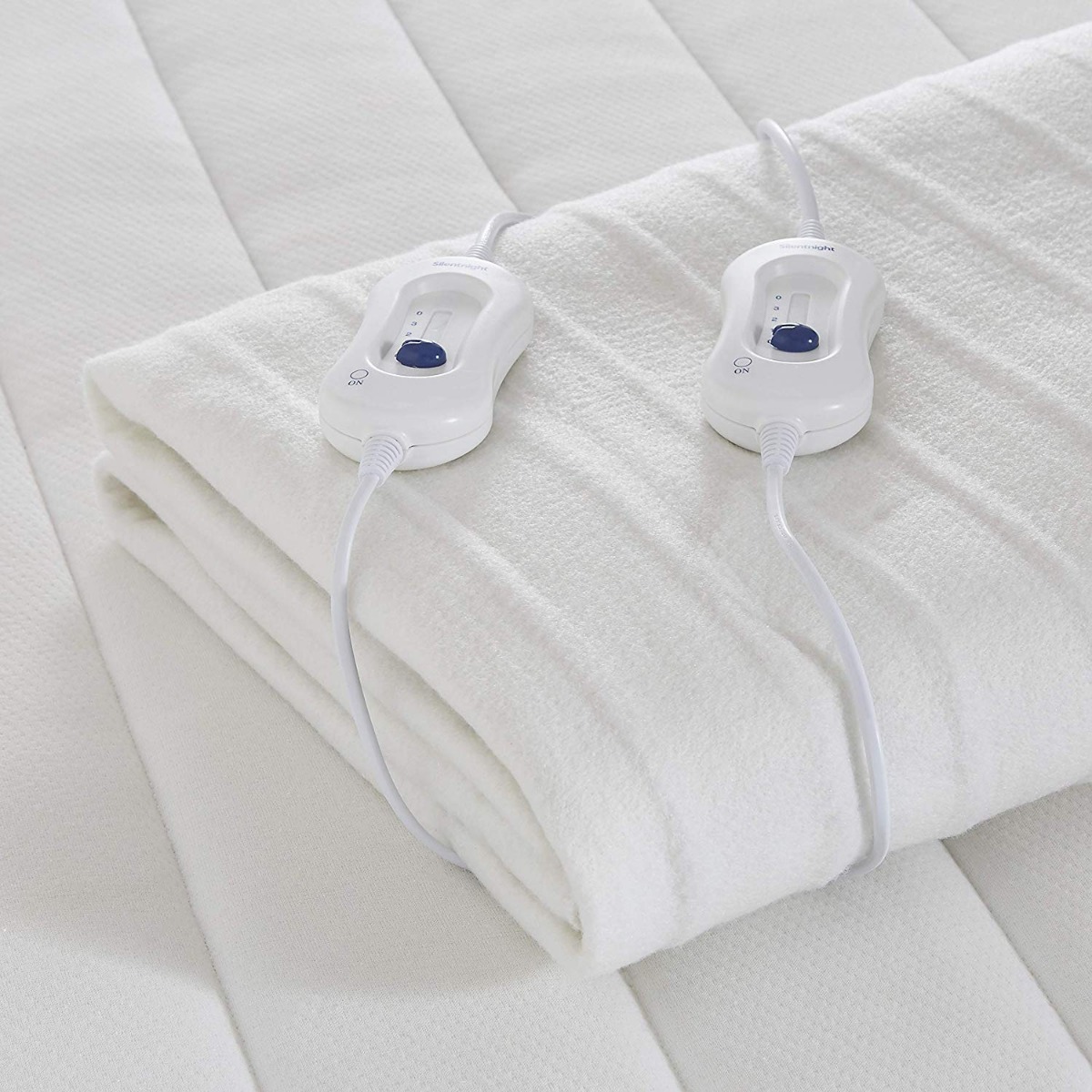
Feeling sleepier in winter is a natural reaction to the colder months and it’s completely normal, but you don’t have to accept it as the norm. Expose yourself to morning light, keep a consistent routine and create a temperature-regulated sleep environment and you’re more likely to enjoy restful nights and more energised days.