Open Coil vs Pocket Sprung Mattresses: A Complete Guide

what is a mattress support system?
When you’re shopping around for your brand-new mattress, it’s important to understand what’s going on between the layers of your sleep surface. Not only is a mattress’ construction designed to comfort but to also offer support where you need it most. And this often comes from the springs. But what is the difference between open coil, continuous coil and pocket sprung mattresses exactly? Join us as we delve into everything you need to know about mattress support systems.
the sleep summary: comparing open coil and pocket sprung mattresses
A coil mattress uses interconnected open coil springs arranged in rows to provide an even, supportive surface that moves as one system.
Pocket sprung mattresses are made up of unique springs that sit in their own fabric pockets to move independently. This makes pocket sprung mattresses the best choice for motion isolation and zoned support.
Coil mattresses are typically a better choice for sleepers looking for a more cost-effective, basic mattress, whereas pocket sprung mattresses offer better motion isolation, pressure relief and targeted support.
what’s inside a mattress?
Before we dive into what gives your mattress a spring in its step, let’s take a closer look at the layers that make up a mattress.
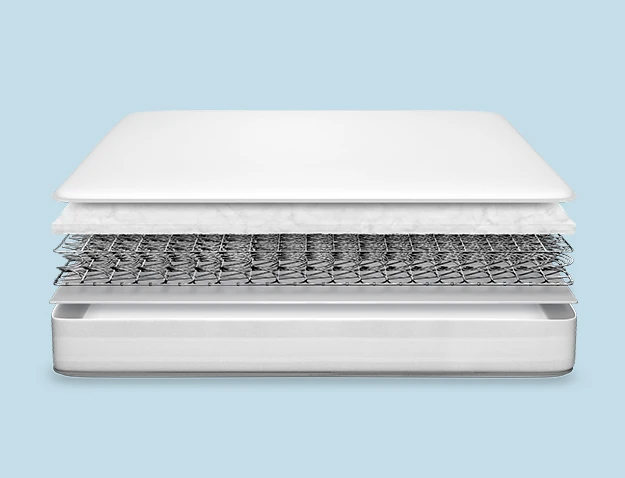
Mattresses are typically made up of three layers:
The sleep surface: The top layer made from cushioned and sometimes breathable materials which give your mattress its softness.
The comfort layer: This is where your mattress firmness typically comes from, with memory foam, gel, latex and fibres used to contour to your body and relieve pressure.
The support system: The supportive core where your springs live, but some mattresses use dense foam here instead.

what are the different mattress support systems?
While many mattresses follow the basic structure we’ve just shown you, one of the ways they differ is through the spring configuration which sit within the support system. There are three types of mattress spring systems: open coil, continuous spring and pocket spring. You may find that different brands use their own terms for these systems, with Silentnight’s being Bonnell, Miracoil® and Mirapocket® mattresses.
what is an open coil mattress?
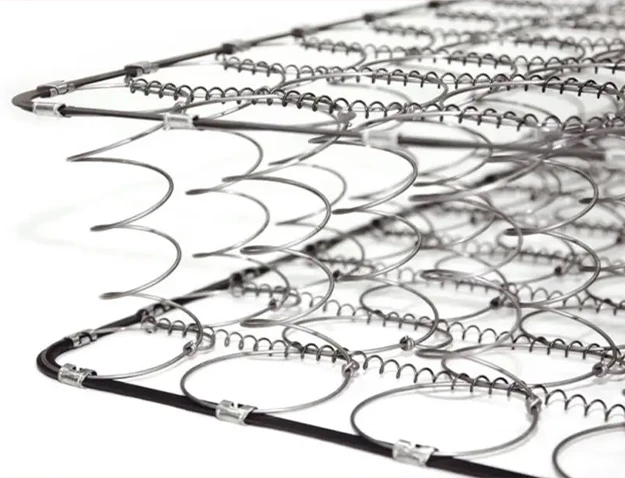
Often called a coil mattress, open coil mattresses are the most traditional mattress spring system. The springs in coil mattresses are arranged into rows with an outer rod providing strength to the sides. This is how our Bonnell springs work; with a helix of wire joining each spring together. While this provides a solid, supportive surface, open coil mattresses often lack the pressure relief and motion isolation offered by other support systems.
what is a continuous spring mattress?
Similar to open coil mattresses, continuous spring mattresses also use interconnected springs made from a single, threaded wire. However, they also use a lighter gauge of wire and have many more springs. This makes the mattress lighter and more supportive. Our Miracoil® mattresses reduce the typical roll-together and partner disturbance by weaving the springs from head to toe, allowing the springs to move more independently – separate to those your partner is lying on. Miracoil® mattresses are zoned with areas of optimised firmness for the hips, upper and lower body areas for enhanced spinal alignment and support.
open coil mattress deep dive
what does an open coil mattress feel like?
A coil mattress will often feel firm yet bouncy, as the whole mattress moves once weight is applied. Many sleepers note that you can feel high levels of motion transfer with open coil mattresses as the springs move as one across the whole bed.
are orthopaedic mattresses primarily open coil?
While many orthopaedic mattresses are noted for their firmer support surface, the vast majority of our orthopaedic mattresses utilise Mirapocket® springs to provide pressure relief and zonal support to help sleepers with back discomfort rest easier.
are open coil mattresses good for kids?
Yes, coil mattresses are often seen as a great choice for kids' mattresses as they provide even support across the whole body, which is ideal as they grow. They’re also lighter, making them suitable for bunk bed mattresses.
what is a pocket sprung mattress?
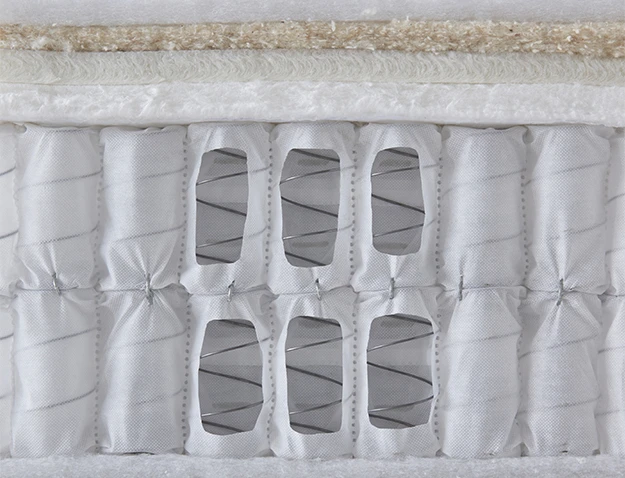
A pocket sprung mattress is made up of individual springs, each one encased in its own fabric pocket which holds them in place. This allows for the individual movement of each spring, greatly reducing partner disturbance and eliminating roll together while also allowing each spring to adapt to your body’s shape. Our Mirapocket® mattresses have zoned springs to promote neutral alignment and proper support, and cylindrical springs rather than hourglass-shaped for more distributed support, right to the edge of the mattress.
pocket sprung mattress deep dive
does more pocket springs mean a firmer mattress?
No, more springs does not equal a firmer mattress. Mattresses with more springs tend to be more responsive, supportive and offer better motion isolation rather than boasting a firmer sleep surface, which is usually achieved by using a denser comfort layer or increasing the tension in the springs.
how often should you turn a pocket sprung mattress?
To ensure your mattress wears evenly and to increase its durability, you should turn your mattress every three to six months. This is especially important if you’re a solo sleeper with a larger bed or sleep with a partner of a different body weight as one side will be more likely to show signs of age than the other.
can you flip a pocket sprung mattress?
Not all pocket sprung mattresses can be flipped. Most modern mattresses are designed to have a more comfortable top layer, usually memory foam, gel or pillow top, with a less comfortable underside. Flipping your mattress would mean you’d be using your mattress incorrectly, leading to a worse night’s sleep and potentially damaging your mattress.
open coil vs pocket sprung mattresses comparison
So, now that we’ve explored the difference between each support system, it’s now time to find your perfect match. If you’re still asking what’s the difference between open coil and pocket sprung mattresses, check out the table below.
Mattress Type | Support | Motion Isolation | Pressure Relief | Durability | Price |
Open Coil | Interconnected springs provide firmness but lack zoned support. | Poor motion isolation as all springs move as one. | Provides basic pressure relief across the surface. May require mattress topper. | Prone to sagging with an average lifespan of 5 years. | Lower price point is ideal for kids or spare rooms. |
Pocket Sprung | Individual springs react to your movement for zonal support. | High motion isolation as each spring moves independently. | Contours to your body to relieve pressure without the need for additional layers. | Better longevity with some mattresses lasting for up to 10 years. | Higher price point due to complex design and manufacturing. |
In summary, the simplicity of a traditional open coil support system makes open coil ideal for entry-level mattresses, and their lack of zoning is ideal for growing children to ensure they stay support as they move across their mattress.
The cost and complexity of pocket sprung systems is matched by the benefits making pocket springs perfect for high-performance mattresses or sleepers experiencing back pain who require added support and pressure relief. The excellent motion isolation offered by pocket springs is also great for couples on different sleep schedules to avoid any disturbances.
are open coil or pocket sprung mattresses better for side sleepers?
Pocket sprung mattresses are better for side sleepers as they're best using a mattress with zonal support to keep their neck and upper back lifted whilst allowing their hips to sink into the surface. The individual springs provide this support, especially when paired with pressure-relieving memory foam.
how many springs should a mattress have?
Not only is the type of spring important to consider when shopping for your new mattress, but the number of springs can also make all the difference. Typically, the more springs a mattress has, the more supportive it’ll be - not to mention, it’ll offer enhanced motion isolation and be more reactive.
Most mattresses have somewhere between 600 and 3,000 springs, with pocket sprung mattresses often boasting more springs than their open coil spring mattress counterparts.
Beyond 3000, some mattresses will use mini springs in the comfort layer to achieve even higher counts. While these springs provide extra comfort, they add very little to the supportive nature of the mattress so should be seen as a luxury feature.
what about rolled mattresses?
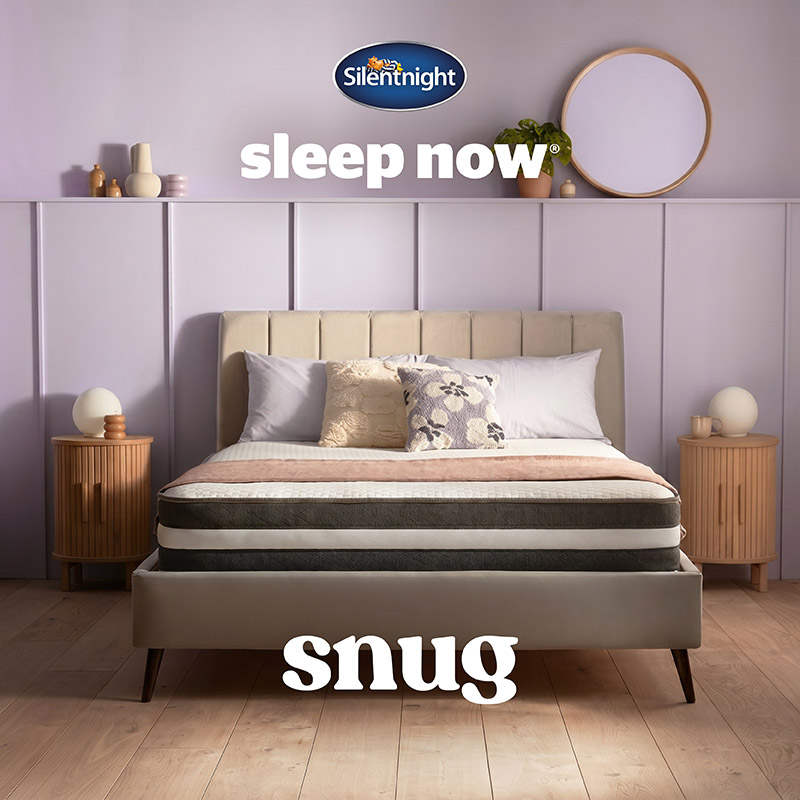
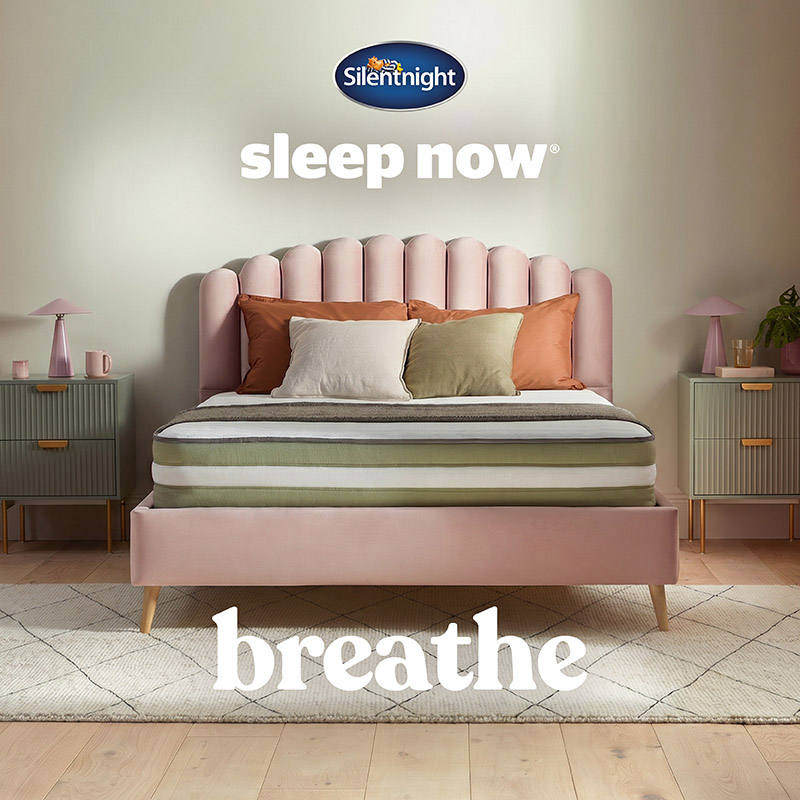
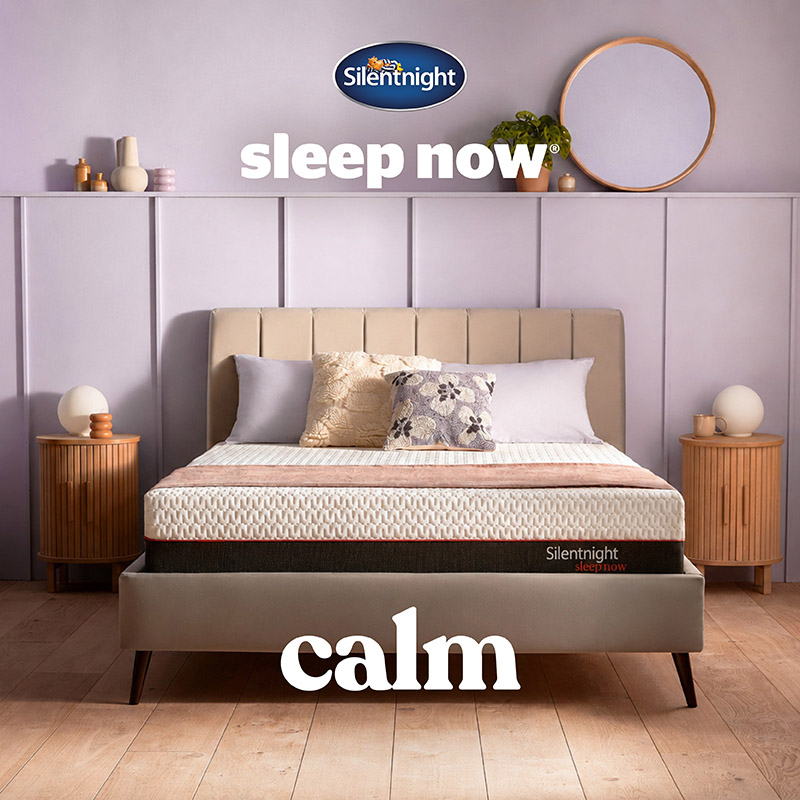
Rolled mattresses are the perfect blend of modern mattress technology and convenient delivery. And when it comes to their spring support systems, they’re no different. The rolled mattresses in our Sleep Now range use both pocket springs and foam support to create a surface that is supportive as soon as its unpacked.

shop the Sleep Now Range

keep looking and find your dream mattress
Beyond springs and support systems, there’s so much to consider when looking for your new mattress. But not to worry, we’ve got a library full of everything you need to know about our different mattresses.
From the best mattresses for back pain to decoding our mattress collections, check out our guides and find the perfect mattress for you today.