



Dr Nerina's toolkit to improve your sleep
With increasing pressure at home and work, the drive for
sustained performance and technological demands, the need for
efficient strategies for recovering energy is critical. For
most of us, the time when we are most likely to attempt to recover
energy is when we sleep. Often, by this time the body's
energy deficits are such that a night of sleep may not be
sufficient to 'repair' the damage done by the day's stresses and
strains; over time this debit effect can become cumulative and
eventually the symptoms of exhaustion and burnout become
evident. This may particularly be the case for those working
shiftwork patterns.
We spend approximately one third of our lives asleep, but
surprisingly no one really knows why we engage in this mysterious
activity. Theories suggest that that we sleep in order to
process and file information that was taken in during the day as
well as to repair and rebalance the body physically and
mentally. So what impact does work and lifestyle have on our
sleep quality? In simple terms, handling more
information daily, working longer hours and fewer breaks can change
the dynamics of our sleep resulting in a greater demand for
'information filing' sleep and less time available for rejuvenating
deep sleep. How does this feel? Many of my clients
report the following types of disrupted sleep:
- "I fall asleep in front of the TV but can't sleep when I get to
bed."
- "I have so many work-related dreams, as if I've been in the
office all night."
- "I've been waking around 2 or 3am and finding it difficult to
get back to sleep."
- "No matter how much sleep I get, I still wake up feeling
tired."
We can make better use of our sleeping time by managing
ourselves better during the day and preparing our minds just before
going to sleep.
The following are some basic strategies for optimising sleep
quality and managing fatigue. They are tried and tested
methods that I have been recommending to my clients for a number of
years and are also based on indepth knowledge of the architecture
of sleep patterns and human circadian rhythms.
1. TAKE REGULAR BREAKS DURING THE DAY
Regularly seeking rest and recovery throughout the day is one of
the most effective ways of improving sleep quality. Even a
break of 3-5min duration can be sufficient to enable the body to
renew energy physically and mentally. Use the time to go for
a walk, stretch, change channels mentally, drink a glass of water
or eat a piece of fruit. Try to take a lunch break of
at least 20-30min duration every day. Use the time to
recharge mentally and physically and avoid checking emails or
surfing the Internet during this time.
2. FOLLOW A REGULAR WIND DOWN ROUTINE
Human beings, like most animals, respond well to familiar
rituals. Try to get into the habit of allowing you some time
to wind down before going to sleep. Read a book, listen to
relaxing music, have a bath and use some relaxing essential oils
such as lavender to help promote sleepiness. Delay going to
bed if necessary - you are more likely to be able to access
efficient deep sleep if you have allowed the mind and body to relax
than if you rush to bed feeling anxious about trying to get good
sleep. You are more likely to feel rejuvenated if you have
had five or six hours of efficient sleep than seven or eight hours
of shallow, restless sleep.
3. MANAGE THE WORK/HOME BOUNDARIES
Talking about your work when you get home can be a good thing
and a positive way of gaining support from family and
friends. However, try not to let the work talk spill over
into your whole evening and bedtime. If necessary, set some
rules about when you stop talking about work and allow your mind to
wind down and switch off.
4. TIME MANAGEMENT
Write your to-do list before leaving work instead of at the
beginning of the day. This stops you worrying about work in
the evening and you are less likely to wake up during the night
thinking about tasks that have to be done the next day. If
you are planning to take work home, make a commitment about whether
you are really going to do it or whether it is just going to sit in
your briefcase all evening creating guilt and anxiety.
Weekend working is often best done first thing on Saturday morning
so that the rest of the weekend is available for rest and
relaxation.
5. EXERCISE
Regular exercise is one of the most effective ways of reducing
stress hormone levels (mainly adrenaline) thus enabling you to
sleep more deeply. The American College of Sports Medicine
guidelines recommend three or four sessions of aerobic exercise
(swimming, cycling, jogging, fast walking) for 20-30min per
week. Competitive exercise can cause the production of
stimulating hormones (eg endorphins) making it more difficult to
get to sleep so it might be worth delaying sleep by 45mins or so to
wind down properly before getting in to bed.
6. MINIMISE STIMULANTS
Caffeine has a direct impact on reducing sleep quality. The
half-life of caffeine is approximately 5hours. This means
that it can take up to 10 hours to completely remove all of the
caffeine from your body if you drink a cup of tea or coffee.
If you are having problems sleeping or are waking up feeling tired
no matter how much sleep you get, minimise caffeine and increase
your fluid intake by drinking more water, herbal teas and dilute
fruit juices. Remember, alcohol can also impair
deep sleep quality so you are likely to wake up feeling tired and
fuzzy-headed if you have overindulged the night before.
7. WHAT TO DO IF YOU WAKE UP DURING THE NIGHT
If you wake up during the night, try to avoid looking at your
clock and registering the time. If you do this, you are more
likely to start worrying about how little sleep you will get
if you don't fall asleep again. This then reduces your
chances of getting back to sleep even further! Instead, lie
on your back and try to consciously relax each part of your body
starting from your toes and working up to your head and face.
Breathe deeply from your diaphragm and tell yourself that it
doesn't matter if you don't fall asleep and that you will just use
the time to rest and relax.
8. LEARN HOW TO POWER NAP
Short naps of 5 to 15 mins duration have been proven to be very
effective at promoting energy renewal and increasing cognitive
function. A nap involves sitting or lying comfortably in a
well-ventilated room, progressively relaxing muscles and breathing
deeply from the stomach. The subject will approach a near
sleep state without actually falling asleep and will be conscious
of their surroundings during this time. The more adept the
individual becomes at practising this technique, the more readily
they are able to rapidly achieve a state of relaxation and
rejuvenation. Incorporating visualisation techniques into your
power nap - eg relaxing scenes - can make it even more
effective.
9. IS EIGHT HOURS THE NORM?
I have encountered many individuals who have become anxious
about their supposed sleep deprivation because they feel they might
not be achieving the the 'normal' amount of sleep. Sleep
requirements vary from person to person and also depend largely on
whether the above strategies are being practised regularly.
For most of us, living in this age of information overload, the
challenge is to achieve efficient deep sleep rather than a certain
quota of hours.
10. YOUR SLEEP ENVIRONMENT
Keep your sleep environment free of clutter and junk.
Don't bring work into your bedroom and keep the laptop and
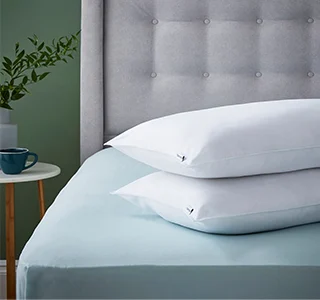
blackberry out of your bed! Ensure that your bed, mattress
and pillow are comfortable and just right for you. The ideal
temperature for good sleep is slightly cool so keep windows open or
have a fan in the room. The white noise from the fan can also
help to create a white noise effect that cuts out distracting
background noises.
11. THE OPTIMAL SLEEP MINDSET: GOOD REST VS. POOR SLEEP?
To sleep well we almost need to let go of wanting to sleep
well. In other words, the more pressure we put on ourselves
to sleep, the less likely we are to actually fall asleep.
This may particularly be the case before big events (eg getting up
early to catch a plane, the night before an important meeting or
presentation). In these situations it might be helpful to
dispel with using the word 'sleep' and to use the word
'rest'. So tell yourself the night before any big event 'it
doesn't matter if I don't sleep tonight, I'm just going to use the
time to rest'. It's a bit of trickery but you'll be surprised
how quickly you then get to sleep - particularly if you use the
technique regularly.
12. NUTRITION AND SUPPLEMENTS
In order to get good sleep, we need a good balance of the
hormones serotonin and melatonin in our sytem. Adequate
amounts of vitamin B6 and tryptophan are needed to boost these
hormone levels and they are found in chicken, cheese, tofu, tuna,
eggs, nuts, seeds and milk. So drinking a glass of milk
before going to bed can help to induce sleep. Other
sleep-inducing foods are oats and lettuce.
Herbal nightcaps - it is best to resort to sleeping aids
(natural or pharmaceutical) only as a last resort. They
should be used when other avenues have been exhausted and then only
occasionally. Valerian (tablets, tincture or tea bags) is
sometimes called nature's Valium and can aid sleep for most
people. Passionflower and hops also have mild sedative
effects.
Finally, remember that sleep - although incredibly vital
to our health and wellbeing - is only one way in which we renew,
rebalance and energise ourselves. Also vitally important are
other aspects of our physical health (nutrition, exercise, other
forms of rest and relaxation, hydration), as well as our mental,
emotional and spiritual health. Paying attention to all of
these other areas of our health can go a long way towards restoring
balance and wellbeing.