






the sleep blog

Guides
10 min read | Feb 2024
the cost of a good night’s sleep
Do you know the true value of sleep? Some might say a good night’s sleep is priceless, but we know it’s as little as 10p a night.




frequently asked questions
healthy sleep
how many sleeps until Christmas?
Check out our Christmas countdown with fun facts about Christmas for the kids, and some more tips for the lead up to Christmas day.
read the article
how much sleep do children need?
As your baby grows into a toddler, the amount of sleep they should be getting is around 11-14 hours each day, with nap time accounting for 1-2 hours of their daily sleep. For children of preschool age, around 10-13 hours worth of sleep is recommended.
read the article
guides
can you sleep with an electric blanket on?
Electric blankets should never be left unattended when turned on. But, can you leave an electric blanket on all night? We don't recommend sleeping with an electric blanket on all night and a thermostatic timer should be used, if you choose to leave it on.
read the article
do you put a mattress protector over a mattress topper?
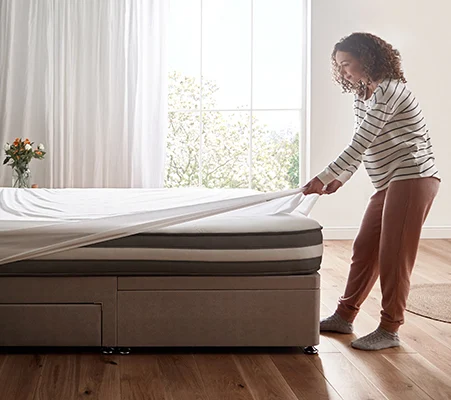
A mattress topper should be layered over the mattress, followed by the protector. This allows the protector to be a barrier between you and the topper, keeping it clean and fresh.
read the article
introducing... Natalie Costa
Natalie is an award winning coach, speaker, author and founder of Power Thoughts - a coaching and educational service designed to give children ‘power’ over their own thoughts! With a background in psychology and having spent 12 years within the educational sector as well as becoming an accredited Performance Coach, Power Thoughts was born - which blends her past experience and deep understanding of children and their needs, now providing them and their parents with the tools to cope and thrive in the modern world.